

On-site Diagnostics
On-Site Fan Diagnostics Services for Industrial Fans

Industrial fan and ventilation systems operate under demanding conditions where performance issues can quickly escalate into costly downtime, safety risks, and equipment damage. Excessive vibration, airflow loss, abnormal noise, overheating, or repeated failures often indicate underlying mechanical or system-level problems that cannot be accurately diagnosed remotely.
At Industrial Fan Systems, our On-Site Diagnostics services provide a fast, data-driven assessment of fan, motor, and ventilation system performance directly at your facility. By combining field measurements with engineering expertise, we identify root causes, recommend corrective actions, and help restore reliable and efficient operation with minimal disruption.
What is On-site Diagnostics?
On-site diagnostics is a comprehensive field-based evaluation of industrial fans and airflow systems while they are installed and operating under real conditions. Unlike offsite testing or theoretical analysis, this approach captures actual operating behaviour, environmental influences, and system interactions.
Using advanced diagnostic instruments, our engineers assess the mechanical condition of rotating equipment, airflow and pressure performance, vibration and noise characteristics, electrical and thermal behaviour, as well as system inefficiencies and design limitations. By evaluating the system in its true operating environment, on-site diagnostics enables accurate fault identification and the development of practical, implementable engineering solutions.
Diagnostic Tools & Technology
Our on-site diagnostics use advanced instruments to capture accurate, real-time data on fan and ventilation system performance, enabling precise fault identification and reliable engineering recommendations.
Vibration Analysis

Multi-channel vibration analyzers and triaxial accelerometers measure time and frequency data to identify imbalance, misalignment, bearing defects, looseness, and resonance using FFT analysis.
Airflow & Pressure Measurement

Pitot tubes, differential pressure manometers, thermal anemometers, flow hoods, and digital manometers verify airflow delivery and identify restrictions, leakage, or system losses.
Additional Diagnostics

Thermal imaging detects overheating and airflow issues, motor current analysis identifies electrical loading and efficiency problems, acoustic tools locate noise sources, and laser alignment systems verify shaft and coupling alignment.
Which Method Do You Need?
Our engineers assess several factors to recommend the appropriate balancing method for your equipment. These include rotor geometry and length-to-diameter ratio, operating speed and critical speed considerations, bearing type and mounting arrangement, application criticality and vibration tolerance requirements, and manufacturer specifications and industry standards. For most industrial fan applications, dynamic balancing is the recommended approach to ensure long-term reliability and optimal performance.
Why On-Site Diagnostics Is Essential
On-site diagnostics is essential because industrial systems rarely fail without warning. Most issues develop gradually and show up as vibration, noise, heat, or performance loss. Without proper diagnostics, corrective actions tend to be reactive, costly, and often ineffective. On-site diagnostics allows engineers to identify the root causes of problems rather than just addressing symptoms, helping to prevent catastrophic failures and unplanned downtime.
It also improves system efficiency and reliability, extends equipment service life, supports maintenance planning and asset management, and ensures safety and regulatory compliance. By detecting issues early, on-site diagnostics reduces unplanned outages and avoids unnecessary component replacements.
Our Offsite Diagnostic Capabilities
Vibration Analysis
We measure vibration levels on fans, motors, bearings, and foundations to detect imbalance, misalignment, looseness, resonance, and bearing defects.
Airflow & Pressure Measurement
On-site airflow and static pressure measurements verify whether systems are delivering the required performance and identify losses or restrictions.
Noise & Acoustic Analysis

We assess abnormal noise sources, including aerodynamic noise, mechanical faults, and resonance issues affecting safety and comfort.
Thermal & Temperature Monitoring

Temperature checks help identify overheating motors, bearings, and airflow deficiencies that can lead to premature failure.
Electrical Diagnostics
Motor current and operating conditions are evaluated to detect overloads, inefficiencies, or control-related issues.
Visual & Mechanical Inspection

We inspect impellers, housings, ductwork, supports, and foundations for wear, damage, buildup, or installation defects.
Typical Applications of On-site Diagnostics
Our on-site diagnostics services are commonly used for:
Industrial ventilation systems
Process exhaust and supply fans
HVAC and air handling units
Tunnel and underground ventilation
Power plant and boiler fans
Dust collection systems
Cooling and heat rejection fans
Manufacturing and process facilities
Common Problems Identified Through Diagnostics
On-site diagnostics frequently uncover issues such as:
Fan imbalance or misalignment
Bearing wear or lubrication failures
Excessive pressure losses in ductwork
Poor airflow distribution or short-circuiting
Structural resonance or foundation problems
Incorrect fan selection or operating point
Blockages, buildup, or leakage in systems
Identifying these issues early allows targeted corrective action instead of costly trial-and-error fixes.
Diagnostic Methodologies
Effective diagnostics require not only advanced tools but also proven methodologies for interpreting measured data and identifying root causes. This ensures recommendations are precise, actionable, and tailored to the specific operating environment.
-
Vibration frequency analysis allows identification of specific mechanical faults based on characteristic frequency patterns. Imbalance appears as a strong vibration component at 1X running speed, while misalignment produces elevated vibration at 2X and 3X running speed, often with high axial vibration.
Bearing defects generate high-frequency components corresponding to ball pass frequencies, cage frequencies, and bearing element resonances. Mechanical looseness creates multiple harmonics and subharmonics, and belt drive issues appear at belt pass frequency and its harmonics. Analyzing the vibration spectrum allows our engineers to pinpoint the fault mechanism and recommend targeted corrective action.
-
Comparing current measurements to historical data provides valuable context for diagnostics. We analyze system performance against baseline commissioning data, historical maintenance records, OEM specifications, and industry standards. This trending analysis helps distinguish normal wear from abnormal degradation, identifies gradual performance loss, validates previous repairs or modifications, and supports predictive maintenance planning and asset management decisions.
Signs Your Fan Needs On-Site Diagnostics
Excessive vibration on the fan casing, bearings, or foundation
Abnormal or increased noise such as grinding, squealing, or impact sounds
Overheating of motors, bearings, or other components
Airflow or pressure loss, resulting in reduced system performance
Repeated failures of bearings, motors, or other critical components
Structural issues such as foundation cracks, resonance, or movement
Imbalance or misalignment of the fan, shaft, or coupling
System inefficiencies causing high energy consumption or uneven airflow distribution
Blockages, buildup, or leakage in ducts, impellers, or housing
Incorrect fan selection or operating point leading to suboptimal performance
Thermal or airflow irregularities detected in ducts or equipment
Safety concerns such as smoke, vibration hazards, or emergency ventilation inadequacy
Energy efficiency assessments to identify potential cost savings opportunities
Our On-site Diagnostics Process
-
We review system layout, operating history, and reported issues with your maintenance or engineering team.
-
Advanced diagnostic tools are used to collect vibration, airflow, pressure, temperature, and electrical data.
-
Measured data is analyzed against design parameters, OEM limits, and industry standards.
-
We identify underlying mechanical, aerodynamic, or system-related causes of performance issues.
-
Clear, prioritized corrective actions are provided, including balancing, alignment, repairs, or system modifications.
-
A detailed diagnostic report is delivered, including findings, measurements, and actionable recommendations.
Key Benefits of On-site Diagnostics

Reduced unplanned downtime
Extended equipment life
Early fault detection and prevention
Lower maintenance and operating costs
Improved system efficiency and airflow performance
Improved safety and compliance
Why Choose Industrial Fan Systems for On-site Diagnostics?
Industrial Fan Systems combines hands-on field diagnostics with deep expertise in industrial fan and ventilation system design to deliver meaningful, practical outcomes. We go beyond simply identifying issues by providing engineering solutions tailored to real operating conditions and site-specific constraints.
Clients trust us because our services are delivered by experienced field engineers using advanced diagnostic instrumentation, supported by independent, data-driven assessments. We provide clear, actionable recommendations and seamlessly integrate on-site diagnostics with balancing, repair, and system optimization services to ensure long-term system reliability and performance.
Certifications &
Compliance
This ensures the product complies with international standards for performance, quality, and safety.
ISO 9001

(Quality Management Systems)
ISO 14001
(Environmental Management Systems)

ISO 45001
(Occupational Health & Safety)


Warranty & Support
We stand by the quality and reliability of our products, offering both performance and workmanship guarantees. Our guarantees cover 12 months of operation or 18 months from delivery, whichever occurs first, ensuring peace of mind and confidence in our engineering excellence.

Warranty
Comprehensive fan selection and system design support services to ensure optimal fan performance throughout its service life.

Support Services
Other Industries We Serve Across Australia
-
![HVAC]()
HVAC
HVAC ventilation that improves airflow, reduces energy use, and supports optimal indoor air quality efficiently.
-
![Industrial-Fan-Systems-HVAC-and-Ventilation-Solutions-for-Industrial-Processes]()
Industrial Processes
Control heat, dust, fumes, and boost energy efficiency across manufacturing operations.
-
![Industrial-Fan-Systems-HVAC-and-Ventilation-Solutions-for-Mining-and-Smelting]()
Mining & Smelting
Provides underground ventilation, dust control, and gas dilution, ensuring a safe environment for workers.
-
![Industrial-Fan-Systems-HVAC-and-Ventilation-Solutions-For-Oil-and-Gas]()
Oil & Gas
Explosion-proof fans meeting ATEX/IECEx standards for use in hazardous areas.
-
![Industrial-Fan-Systems-HVAC-and-Ventilation-Solutions-For-Recycling]()
Recycling
Improve dust control, fume extraction, airflow efficiency, and ensure environmental compliance.
-
![Industrial-Fan-Solutions-Air-Pollution-Control-Ventilation-Solutions]()
Air Pollution Control
Customised designs for dust extraction, fume removal, VOC management, and emission control.
-
![Industrial-Fan-Systems-Food-and-Beverage-HVAC-and-Ventilation-Solutions]()
Food & Beverage
Hygienically design fans for food processing, cold storage, and cleanrooms.
-
![Industrial-Fan-Solutions-Furnace-and-Oven-Ventilation-Solutions]()
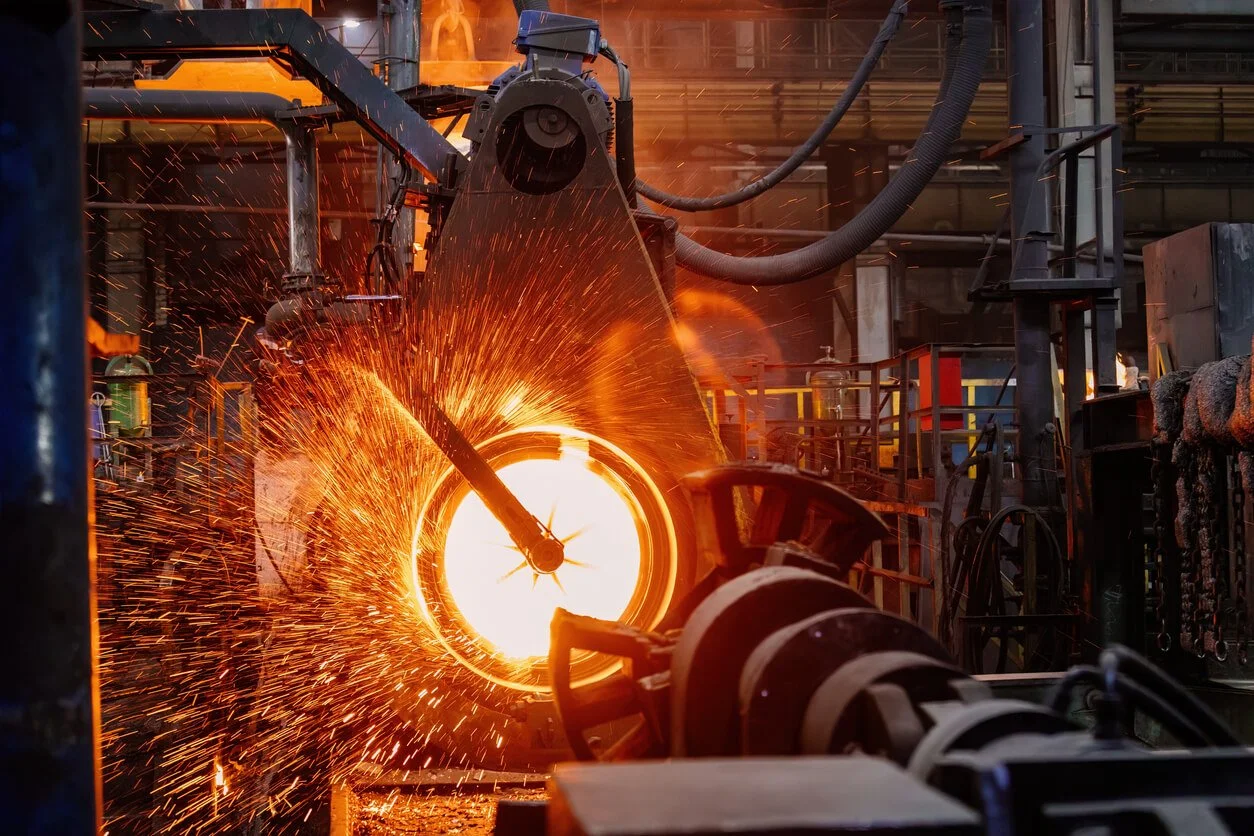
Furnace & Oven
Ensure energy-efficient airflow, temperature control, and safety in kilns and furnaces.
-
![Industrial-Fan-Systems-Manufacturing-HVAC-and-Ventilation-Solutions]()
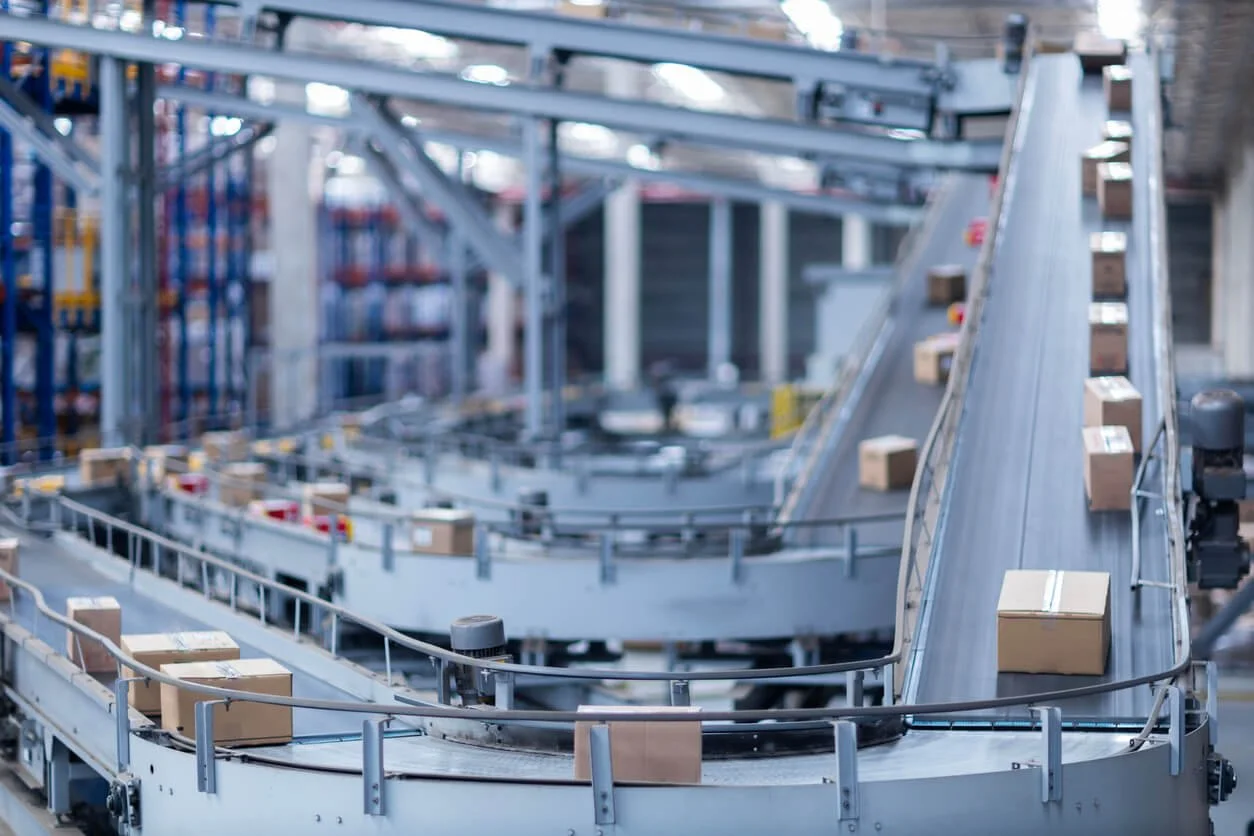
Manufacturing
Ensure reliable airflow, cooling, dust control, and energy-efficient operation in production facilities.
-
![Industrial-Fan-Systems-Paper-and-Pulp-HVAC-and-Ventilation-Solutions]()
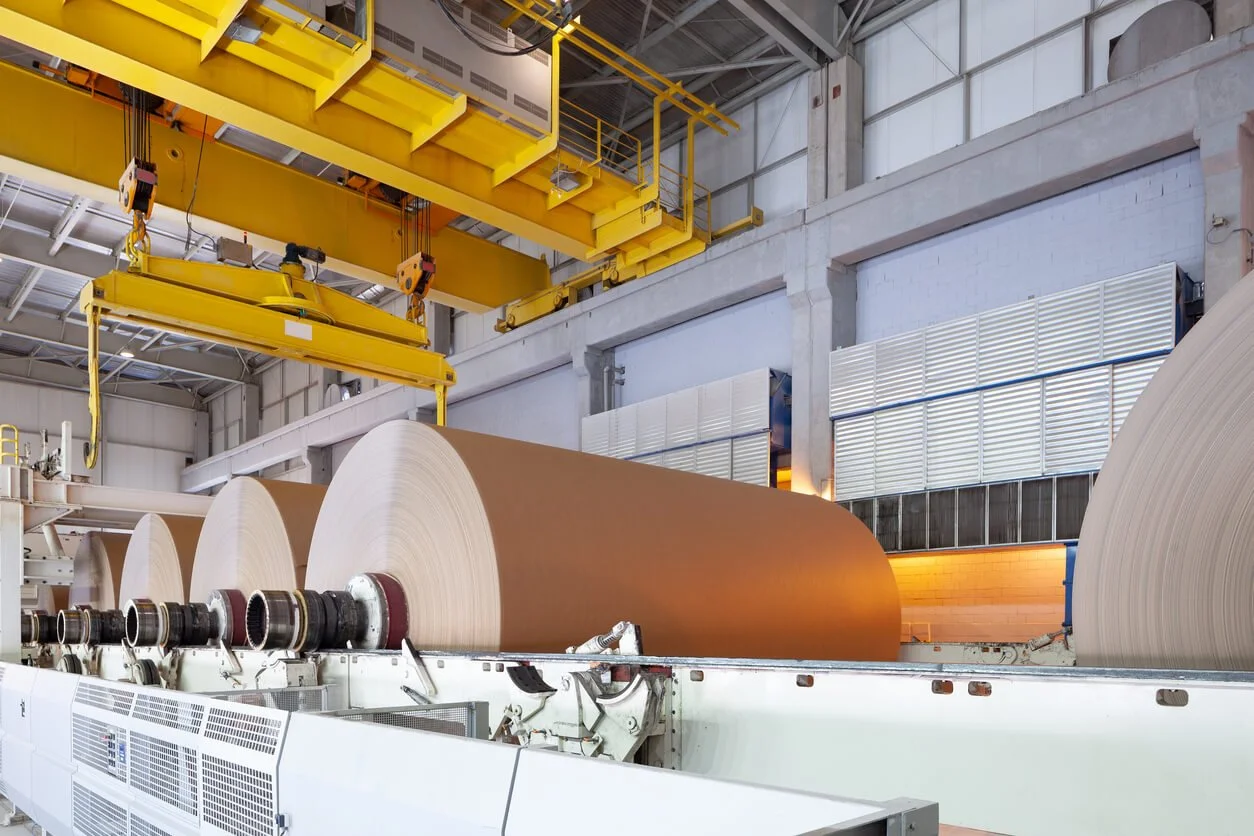
Paper & Pulp
Industrial fans for paper and pulp mills, dust control, moisture management, and airflow for production & drying.
-
![Industrial-Fan-Systems-Pharmaceutical-Processing-HVAC-and-Ventilation-Solutions]()
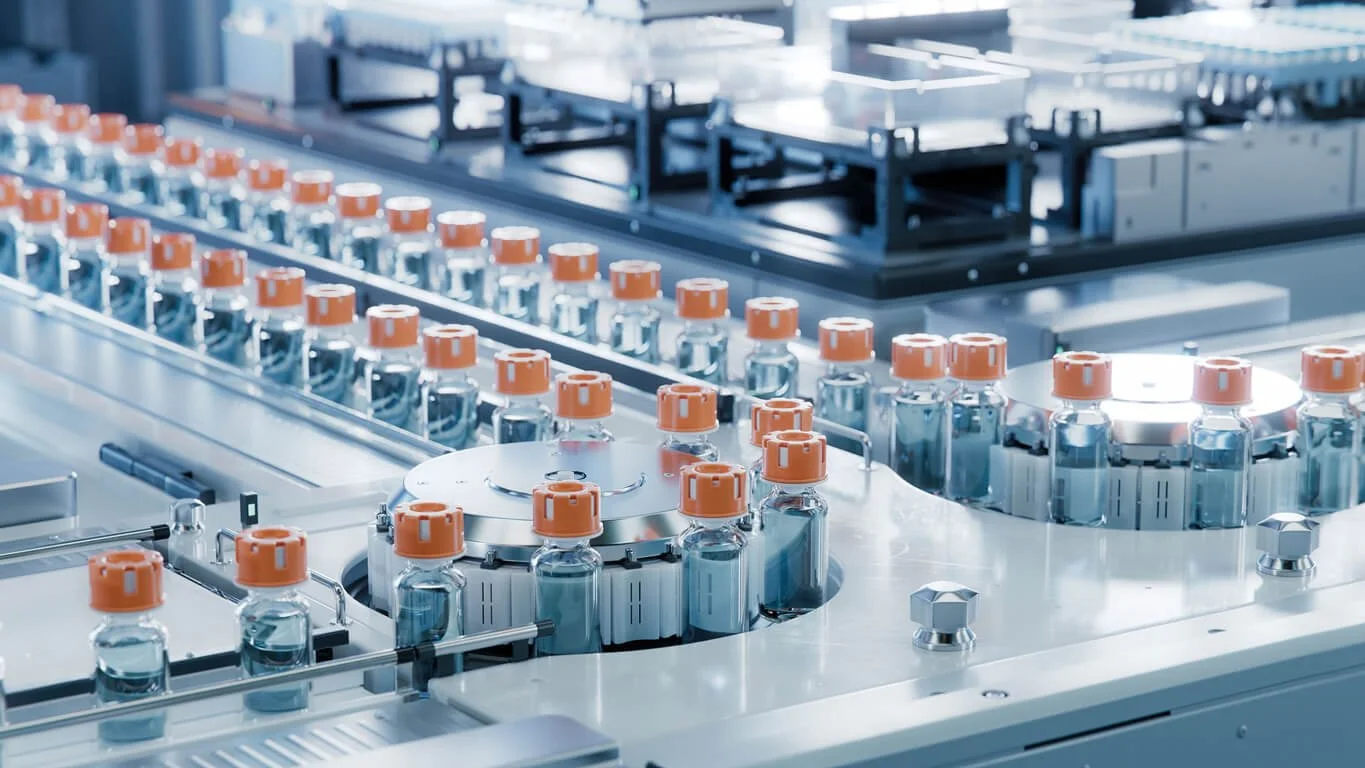
Pharmaceuticals
Ensure air quality, filtration, and safety in controlled manufacturing environments.
-
![Industrial-Fan-Systems-Spray-Booth-HVAC-and-Ventilation-Solutions]()
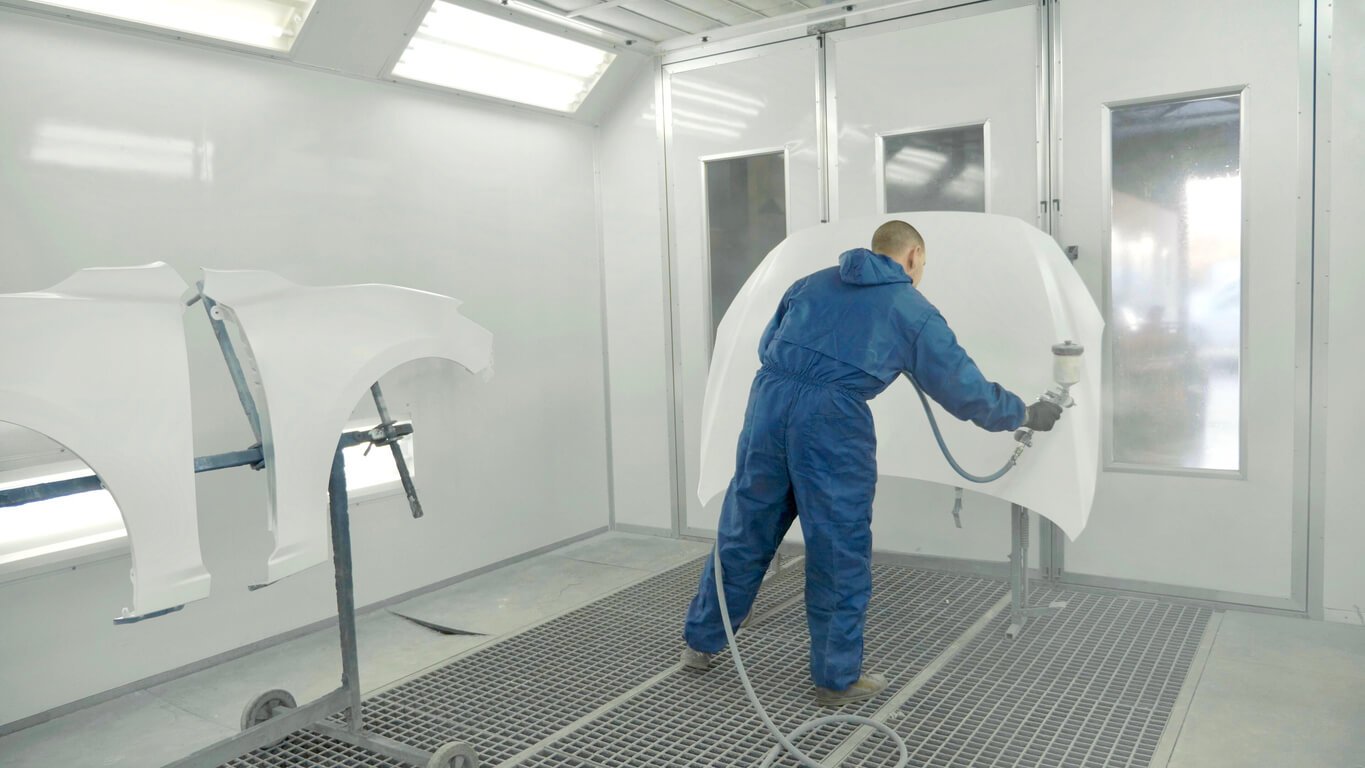
Spray Booths
Spray booth ventilation fans for fume extraction, overspray control, and odour removal.
-
![Industrial-Fan-Systems-Tunnel-Ventilation-HVAC-and-Ventilation-Solutions]()
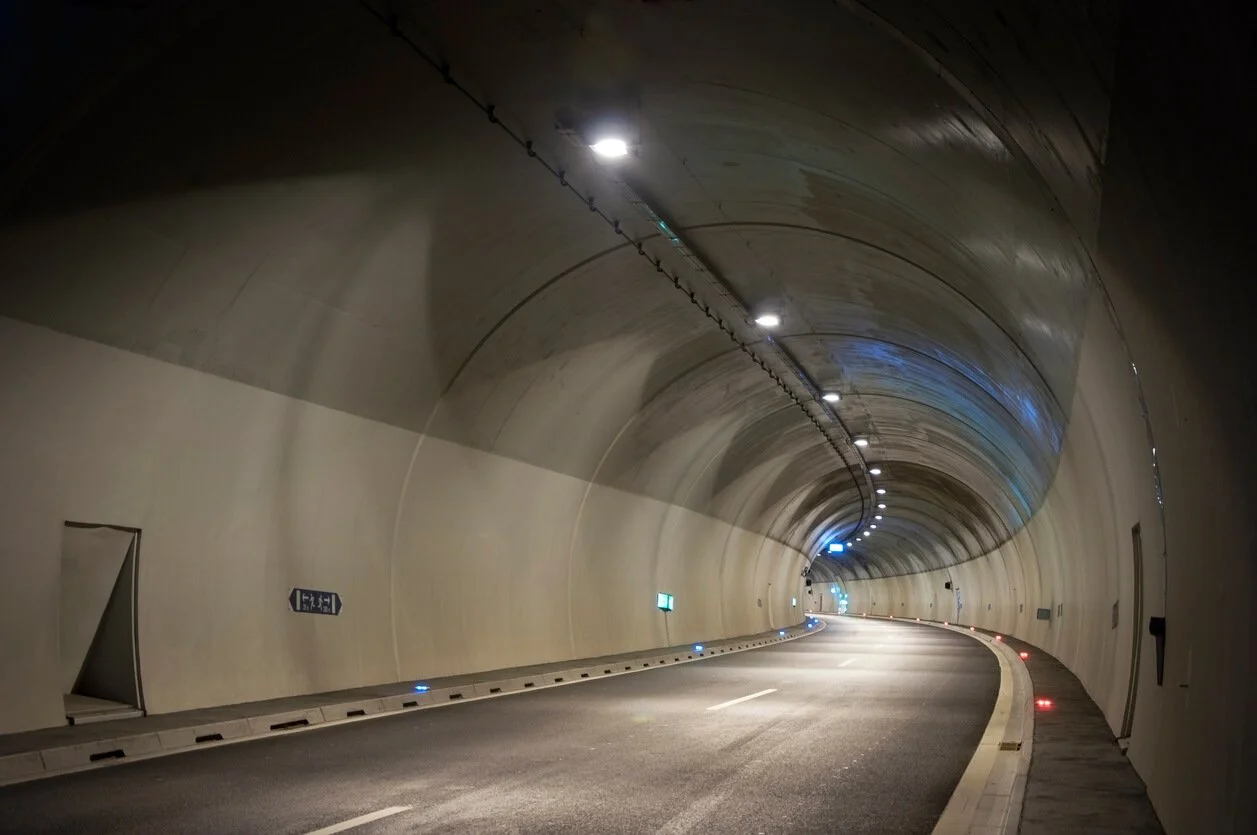
Tunnel Ventilation
Ensure efficient airflow and ventilation in mining, transport, and construction tunnels.
-
![Industrial-Fan-Systems-Water-Treatment-HVAC-and-Ventilation-Solutions]()
Water Treatment
Ensure ventilation and airflow, odour control, corrosion resistance, and regulatory compliance.





Why Choose Industrial Fan Systems?
Industrial Fan Systems combines proven aerodynamic design with Australian‑based engineering expertise. Our airfoil centrifugal fans are selected, tested, and supported to perform reliably in real‑world industrial environments.
ISO 5801 tested performance data
ISO13347-3:2004 for sound
Engineered for Australian and New Zealand conditions
Application‑specific fan selection support
On-site support
Frequently Asked Questions
-
On-site diagnostics is recommended when vibration, noise, overheating, airflow issues, or repeated failures occur.
-
Yes. Most measurements are taken during normal operation to capture real performance conditions.
-
Typically one day, depending on system size and complexity.
-
In most cases, no shutdown is required unless safety or access limitations exist.
-
Yes. Early detection of imbalance, bearing defects, or airflow issues significantly reduces failure risk.
-
Yes. A detailed report with findings and recommendations is included.
-
Yes. Identifying inefficiencies often leads to reduced fan power and operating costs.
-
Absolutely. Diagnostics are especially valuable for aging equipment.
-
Yes. We provide clear, prioritized engineering recommendations.
-
Yes. On-site diagnostics often serve as the first step before balancing, alignment, or system upgrades.