

CFD Modeling
CFD Modeling Services for Industrial Airflow & Thermal Optimisation

Computational Fluid Dynamics (CFD) modeling is a powerful engineering tool used to analyze and predict airflow, temperature, pressure, and contaminant behavior within complex industrial environments. In critical applications such as ventilation, HVAC, tunnel systems, manufacturing processes, and hazardous facilities, design decisions must be validated before implementation. CFD modeling allows engineers to simulate real-world operating conditions, identify potential performance issues, and optimize system designs before installation or modification.
At Industrial Fan Systems, we provide professional CFD modeling services to support safer, more efficient, and cost-effective airflow and ventilation solutions. Our simulations help eliminate uncertainty, reduce project risks, and ensure systems perform as intended under both normal and emergency conditions.
What is CFD Modeling?
CFD (Computational Fluid Dynamics) is the simulation of fluid flow, heat transfer, and related phenomena using advanced mathematical models and computational techniques. It creates a virtual environment where airflow patterns, temperature distribution, pressure drops, and contaminant dispersion can be analyzed in three dimensions, replicating real-world operating conditions.
Unlike traditional design methods that rely on approximations, CFD provides precise, data-driven insights that enable informed engineering decisions. It helps optimize performance, improve energy efficiency, ensure safety and compliance, and identify potential issues before physical installation, making it essential for modern industrial ventilation, HVAC, and process systems.
Our CFD Modeling Capabilities
Airflow & Ventilation Analysis

We evaluate supply and exhaust airflow distribution to ensure effective ventilation across industrial spaces. This includes identifying stagnant zones, short-circuiting, and uneven air distribution.
Thermal & Heat Transfer Analysis
Our CFD models assess temperature profiles, heat dissipation from equipment, and cooling effectiveness, helping prevent overheating and improve thermal comfort and process stability.
Pressure & Velocity Analysis
We analyze system pressure drops, velocity profiles, and turbulence to support proper fan sizing, duct design, and system efficiency.
Contaminant & Particle Tracking
CFD modeling enables the simulation of dust, fumes, gases, and odors, allowing for effective containment, extraction, and air quality control.
Emergency & Transient Simulations
We model fire, smoke, and gas release scenarios to evaluate emergency ventilation performance and support safety-critical system design.
Typical Applications of CFD Modeling
Our CFD modeling services are widely used across industrial sectors, including:
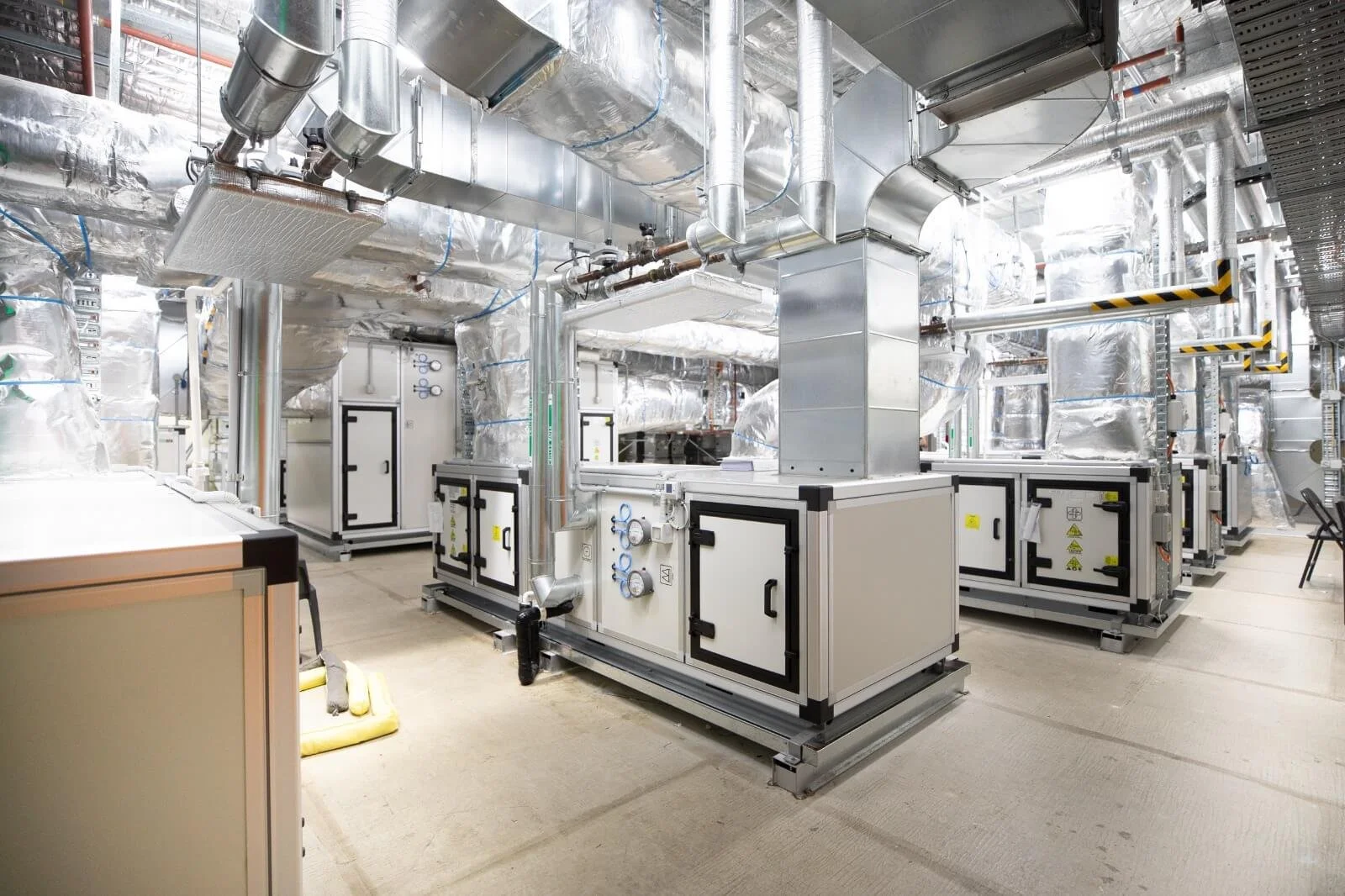
Industrial ventilation and HVAC systems
Tunnel and underground ventilation
Manufacturing process airflow
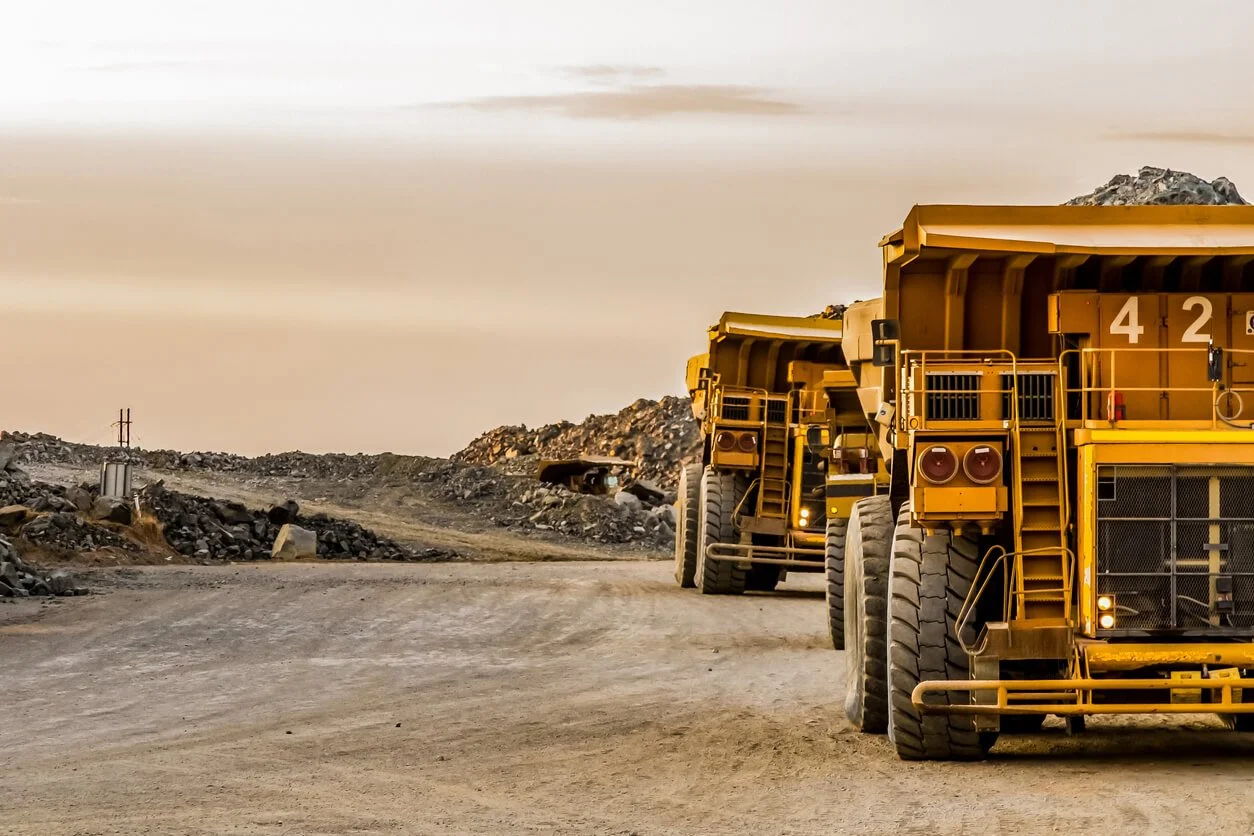
Mining and hazardous area ventilation
Cleanrooms and pharmaceutical facilities
Oil & gas installations
Power generation and heat-intensive processes
Dust collection and air pollution control
Equipment and machinery cooling
Signs You Need CFD Modeling Services
Multiple ducts, bends, or obstacles causing uneven air distribution.
High heat loads, hot spots, or cooling issues in industrial spaces.
Reduced airflow, pressure loss, or inefficient ventilation affecting operations.
High energy consumption due to fan oversizing, poor duct layout, or pressure imbalances.
Dust, fumes, gas, or odor control requiring precise airflow management.
Areas with hazardous gases, smoke, or fire risk requiring emergency ventilation validation.
Need to meet ISO, ATEX, IECEx, or other safety and environmental standards.
Upgrades, expansions, or layout changes where physical testing is costly or impractical.
Planning fan placement, duct sizing, and system layout for new installations.
Identifying airflow bottlenecks, thermal stratification, or ventilation dead zones.
Avoiding installation errors by validating system behavior virtually before construction.
When CFD complements real-world tests for more accurate system validation.
Our CFD Modeling Process
-
We gather system layouts, operating conditions, performance requirements, and project objectives.
-
Detailed 3D models are created to accurately represent the physical environment.
-
Boundary conditions and operating scenarios are applied to evaluate airflow, pressure, and thermal behavior.
-
We analyze simulation outputs to identify inefficiencies, risks, and improvement opportunities.
-
Engineering recommendations are provided to improve system performance, safety, and efficiency.
-
Clear, visual reports are delivered, including airflow plots, temperature maps, and actionable insights.
Industries Requiring CFD Modeling
Mining and Underground Ventilation

Used to validate airflow distribution, emergency ventilation capacity, and contaminant dilution while reducing energy use.
Tunnel and Infrastructure Projects

Supports jet fan placement, smoke movement analysis, and emergency evacuation validation.
Cleanrooms and Pharmaceutical Facilities

Ensures airflow direction, pressure control, and compliance with ISO and GMP standards.
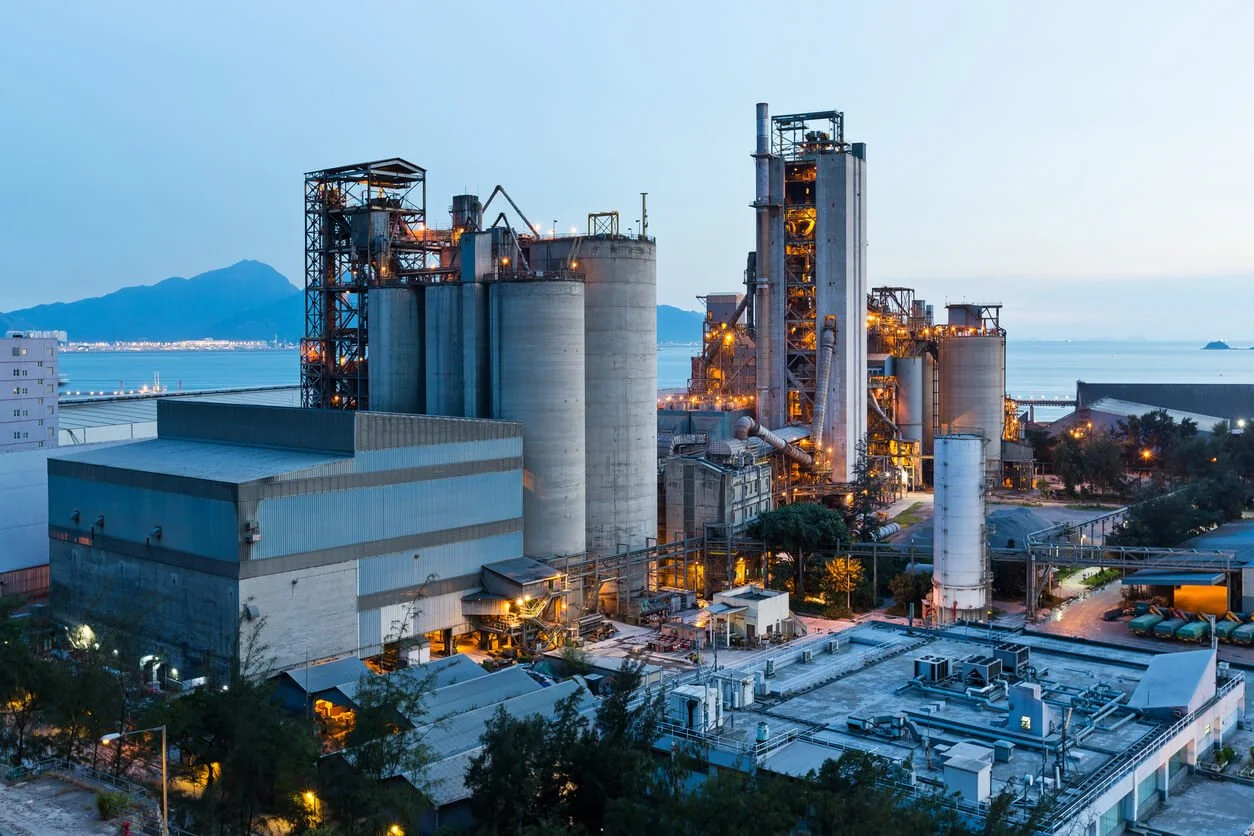
Process Industries
Optimizes cooling, fume extraction, dust control, and thermal stability in demanding environments.
Key Benefits of CFD Modeling
Reduced design and installation risks
Lower capital and operating costs
Improved airflow and thermal performance
Enhanced safety and regulatory compliance
Data-driven decision-making
Why Choose Industrial Fan Systems for CFD Modeling?
Industrial Fan Systems combines advanced CFD expertise with deep, hands-on experience in industrial fan and ventilation system design. Our approach is grounded in real-world operating conditions rather than purely theoretical analysis, ensuring that every CFD study translates into practical, implementable outcomes. By integrating CFD modeling directly with engineering and system design, we deliver solutions that are efficient, compliant, and ready for operation from day one.
Clients choose us for our advanced CFD simulation capabilities covering airflow, heat transfer, and pressure analysis, supported by an expert engineering team with specialist knowledge of industrial fans. We provide data-driven insights for system optimization, clear and visual documentation with actionable recommendations, and full compliance with safety, environmental, and industry standards.
Certifications &
Compliance
This ensures the product complies with international standards for performance, quality, and safety.
ISO 9001

(Quality Management Systems)
ISO 14001
(Environmental Management Systems)

ISO 45001
(Occupational Health & Safety)


Warranty & Support

Warranty
We stand by the quality and reliability of our products, offering both performance and workmanship guarantees. Our guarantees cover 12 months of operation or 18 months from delivery, whichever occurs first, ensuring peace of mind and confidence in our engineering excellence.

Support Services
Comprehensive fan selection and system design support services to ensure optimal fan performance throughout its service life.
Other Industries We Serve Across Australia
-
![HVAC]()
HVAC
HVAC ventilation that improves airflow, reduces energy use, and supports optimal indoor air quality efficiently.
-
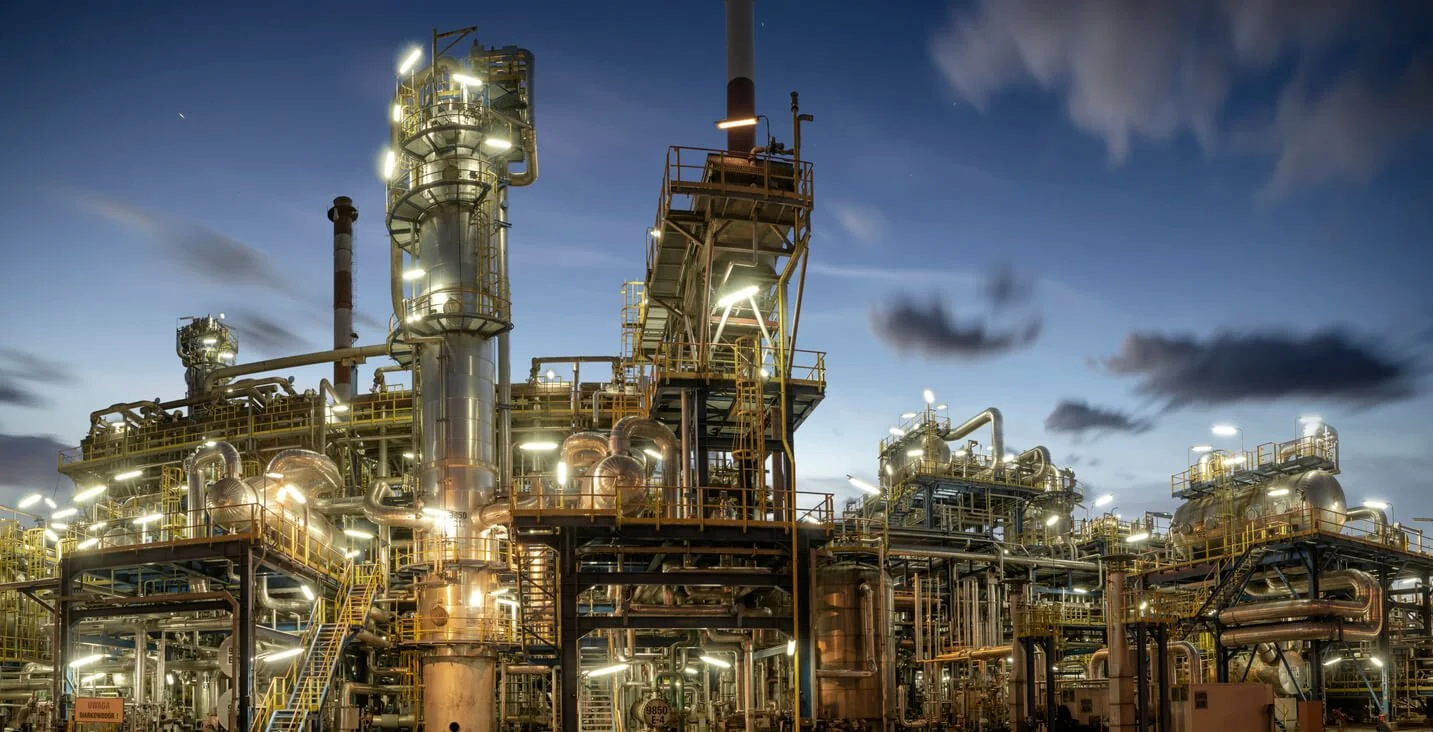
![Industrial-Fan-Systems-HVAC-and-Ventilation-Solutions-for-Industrial-Processes]()
Industrial Processes
Control heat, dust, fumes, and boost energy efficiency across manufacturing operations.
-
![Industrial-Fan-Systems-HVAC-and-Ventilation-Solutions-for-Mining-and-Smelting]()
Mining & Smelting
Provides underground ventilation, dust control, and gas dilution, ensuring a safe environment for workers.
-
![Industrial-Fan-Systems-HVAC-and-Ventilation-Solutions-For-Oil-and-Gas]()
Oil & Gas
Explosion-proof fans meeting ATEX/IECEx standards for use in hazardous areas.
-
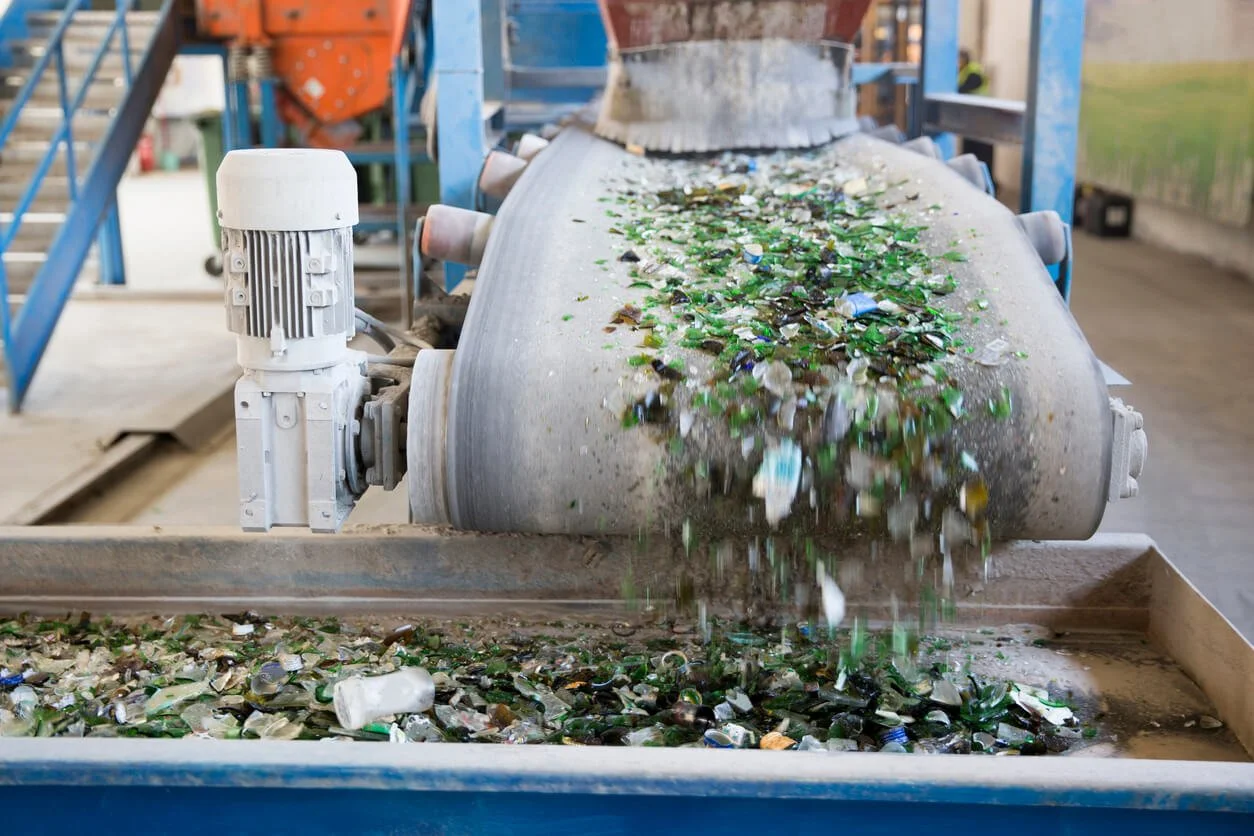
![Industrial-Fan-Systems-HVAC-and-Ventilation-Solutions-For-Recycling]()
Recycling
Improve dust control, fume extraction, airflow efficiency, and ensure environmental compliance.
-
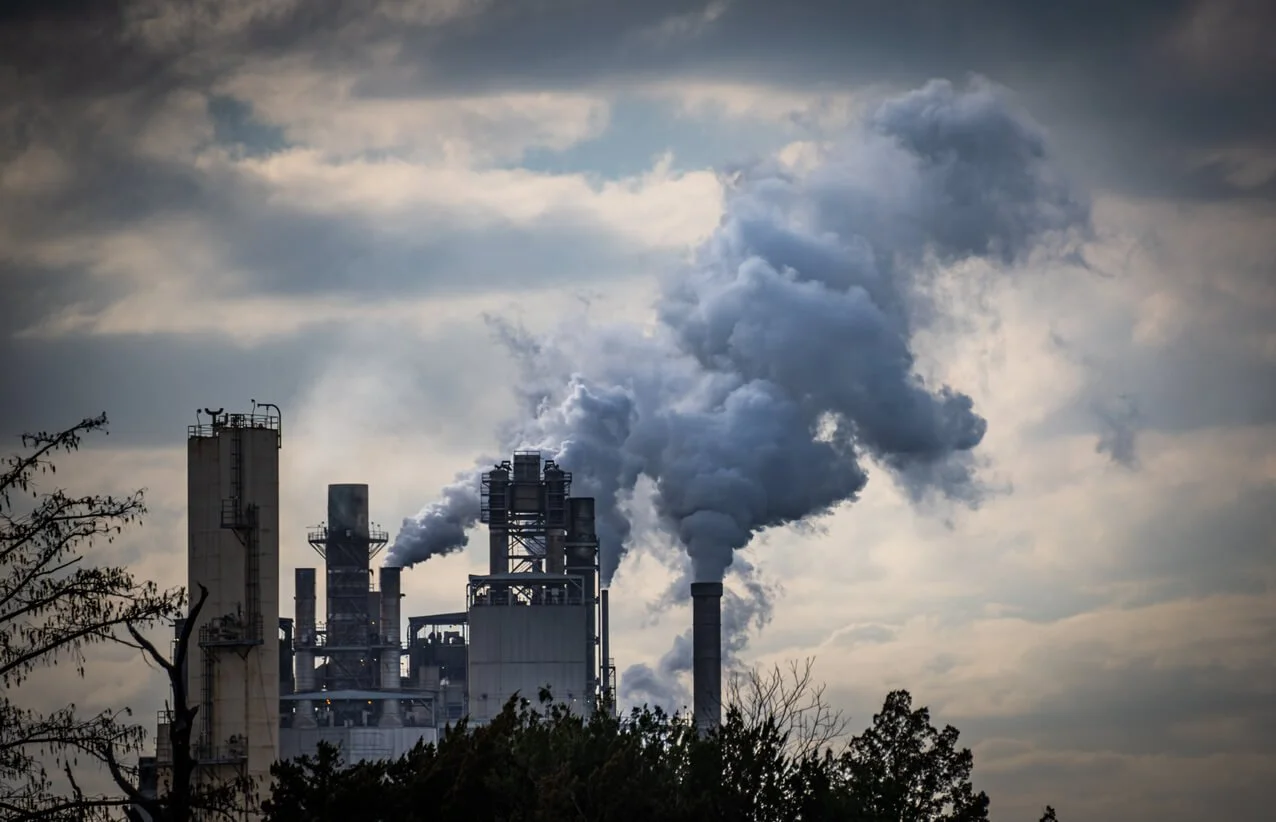
![Industrial-Fan-Solutions-Air-Pollution-Control-Ventilation-Solutions]()
Air Pollution Control
Customised designs for dust extraction, fume removal, VOC management, and emission control.
-
![Industrial-Fan-Systems-Food-and-Beverage-HVAC-and-Ventilation-Solutions]()
Food & Beverage
Hygienically design fans for food processing, cold storage, and cleanrooms.
-
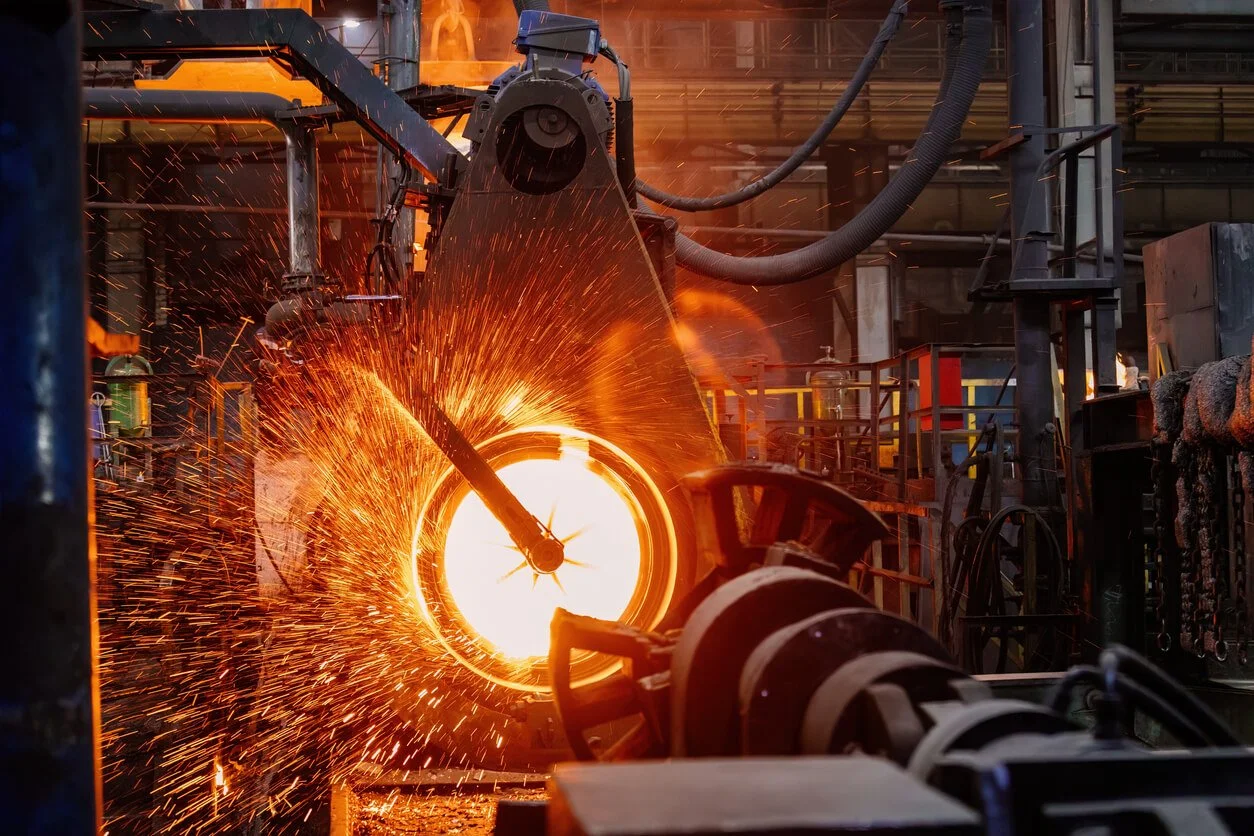
![Industrial-Fan-Solutions-Furnace-and-Oven-Ventilation-Solutions]()
Furnace & Oven
Ensure energy-efficient airflow, temperature control, and safety in kilns and furnaces.
-
![Industrial-Fan-Systems-Manufacturing-HVAC-and-Ventilation-Solutions]()
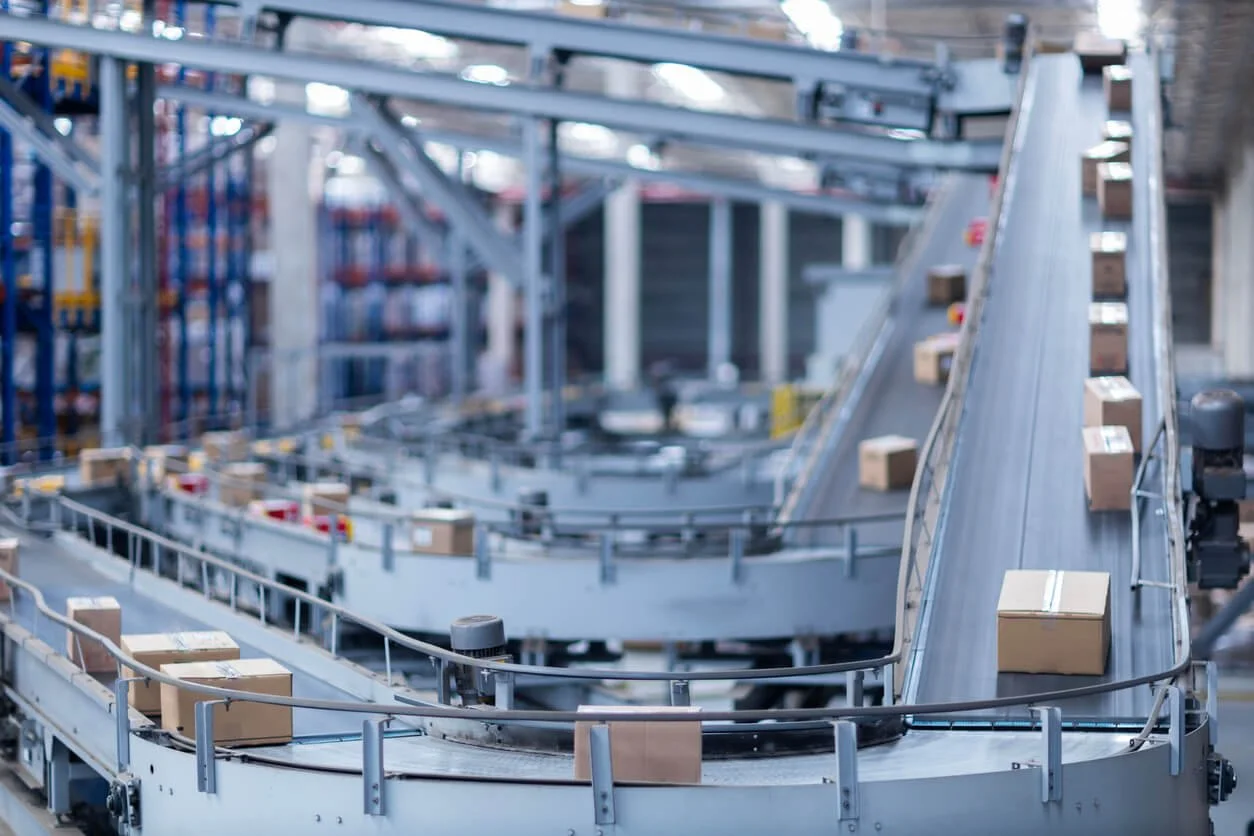
Manufacturing
Ensure reliable airflow, cooling, dust control, and energy-efficient operation in production facilities.
-
![Industrial-Fan-Systems-Paper-and-Pulp-HVAC-and-Ventilation-Solutions]()
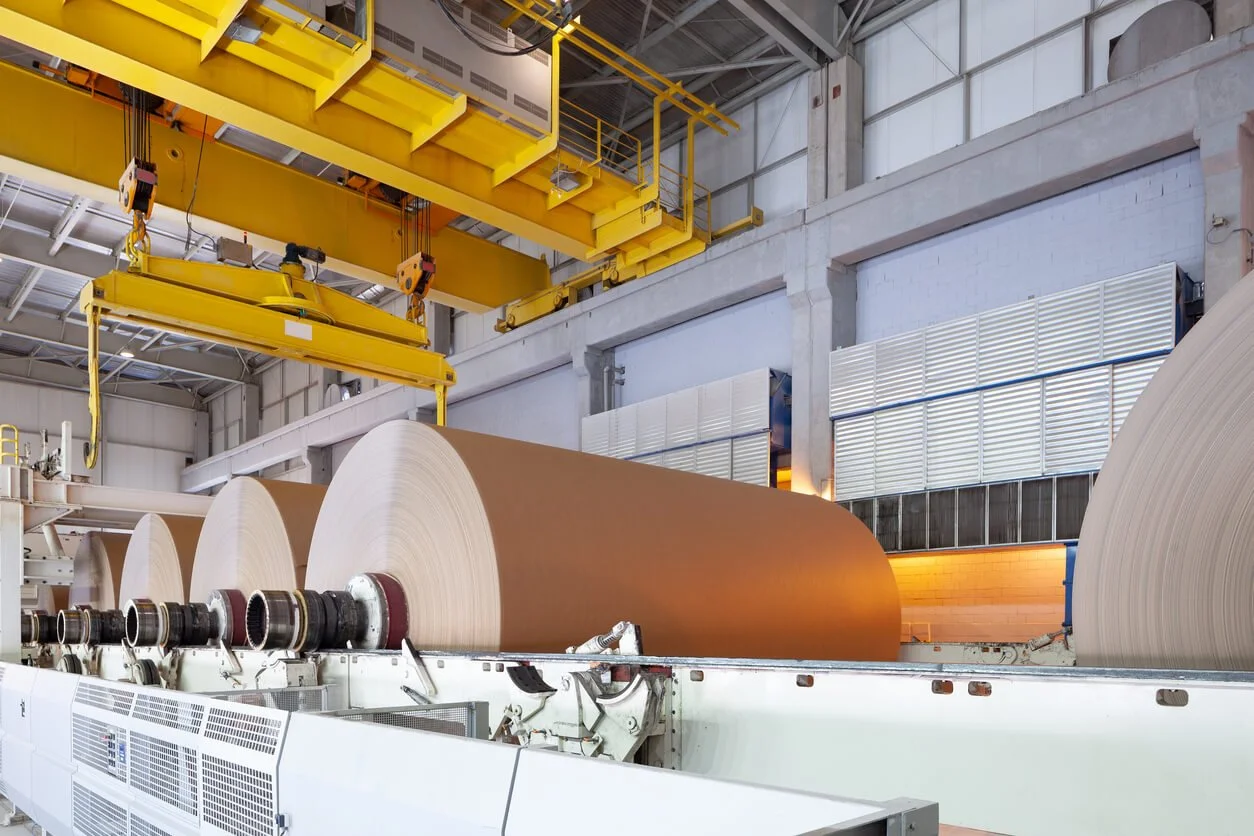
Paper & Pulp
Industrial fans for paper and pulp mills, dust control, moisture management, and airflow for production & drying.
-
![Industrial-Fan-Systems-Pharmaceutical-Processing-HVAC-and-Ventilation-Solutions]()
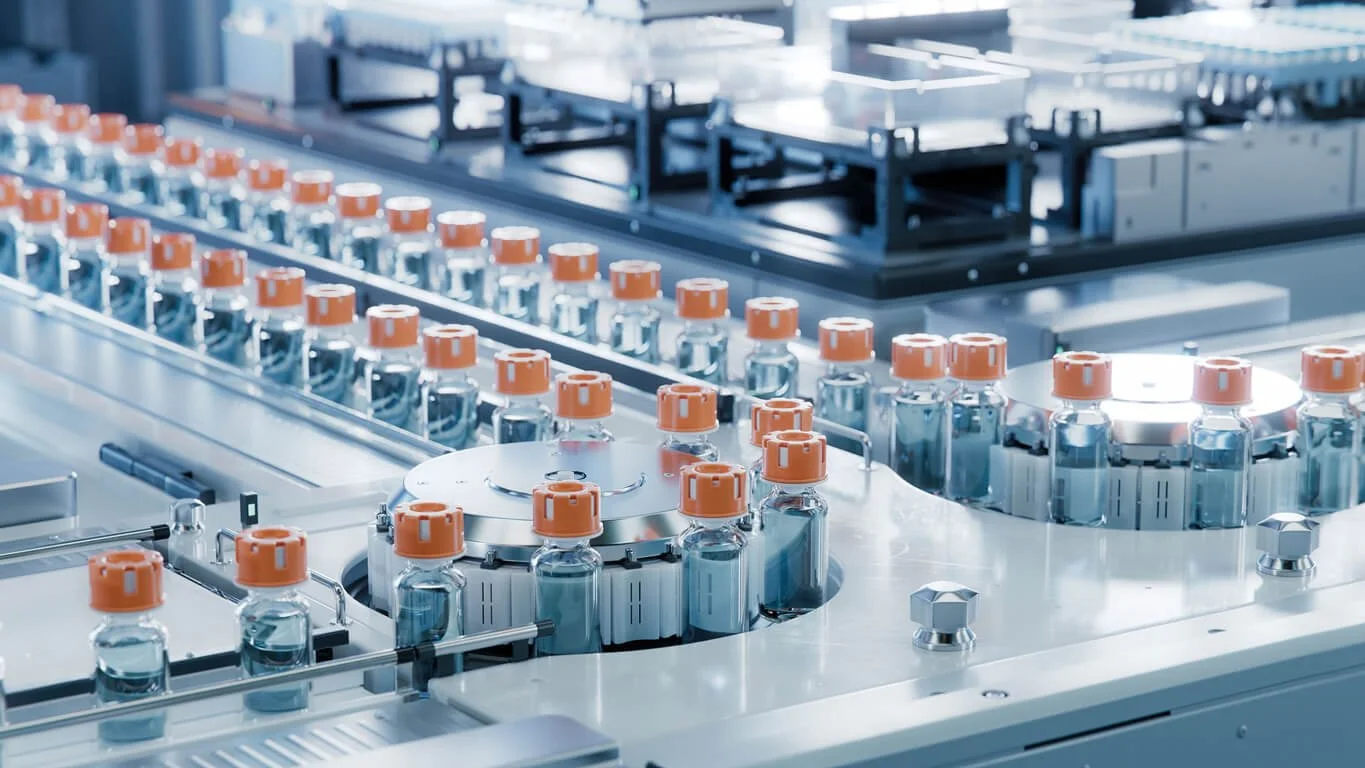
Pharmaceuticals
Ensure air quality, filtration, and safety in controlled manufacturing environments.
-
![Industrial-Fan-Systems-Spray-Booth-HVAC-and-Ventilation-Solutions]()
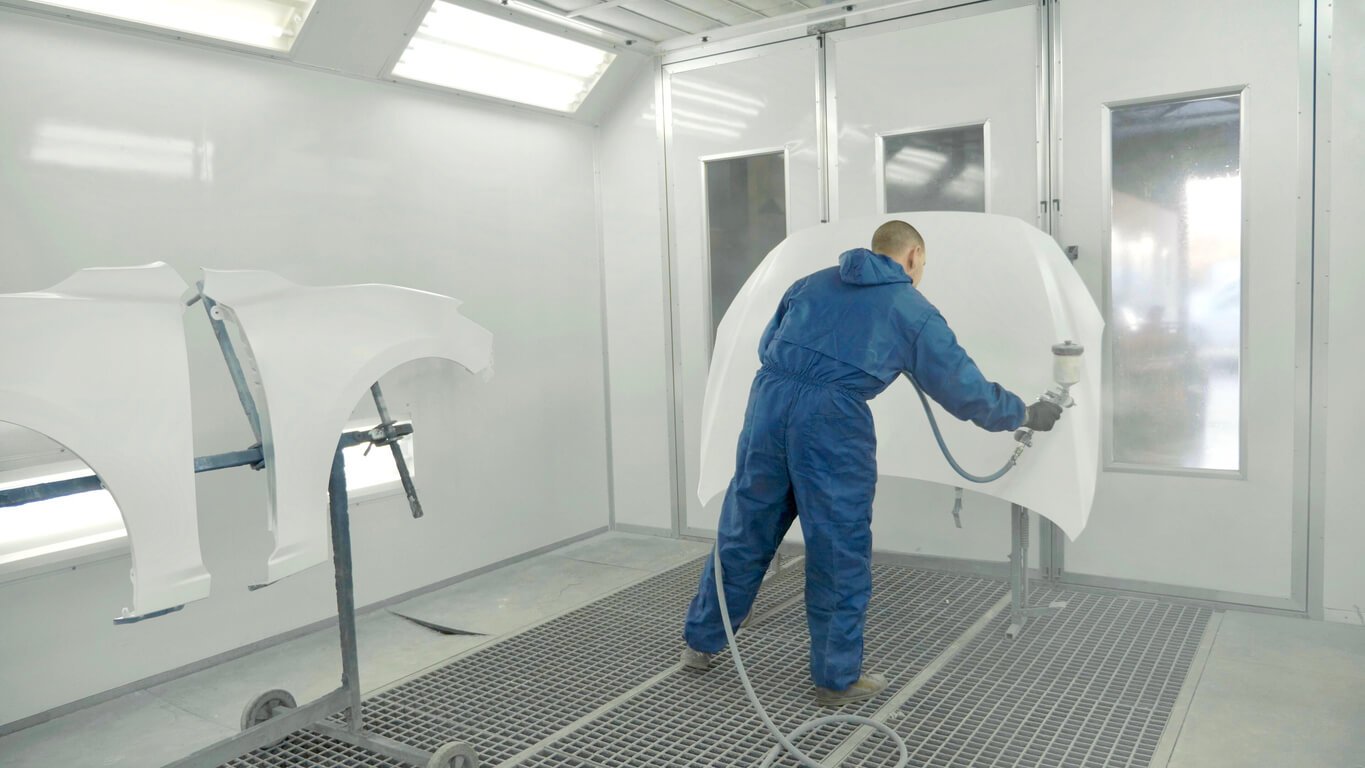
Spray Booths
Spray booth ventilation fans for fume extraction, overspray control, and odour removal.
-
![Industrial-Fan-Systems-Tunnel-Ventilation-HVAC-and-Ventilation-Solutions]()
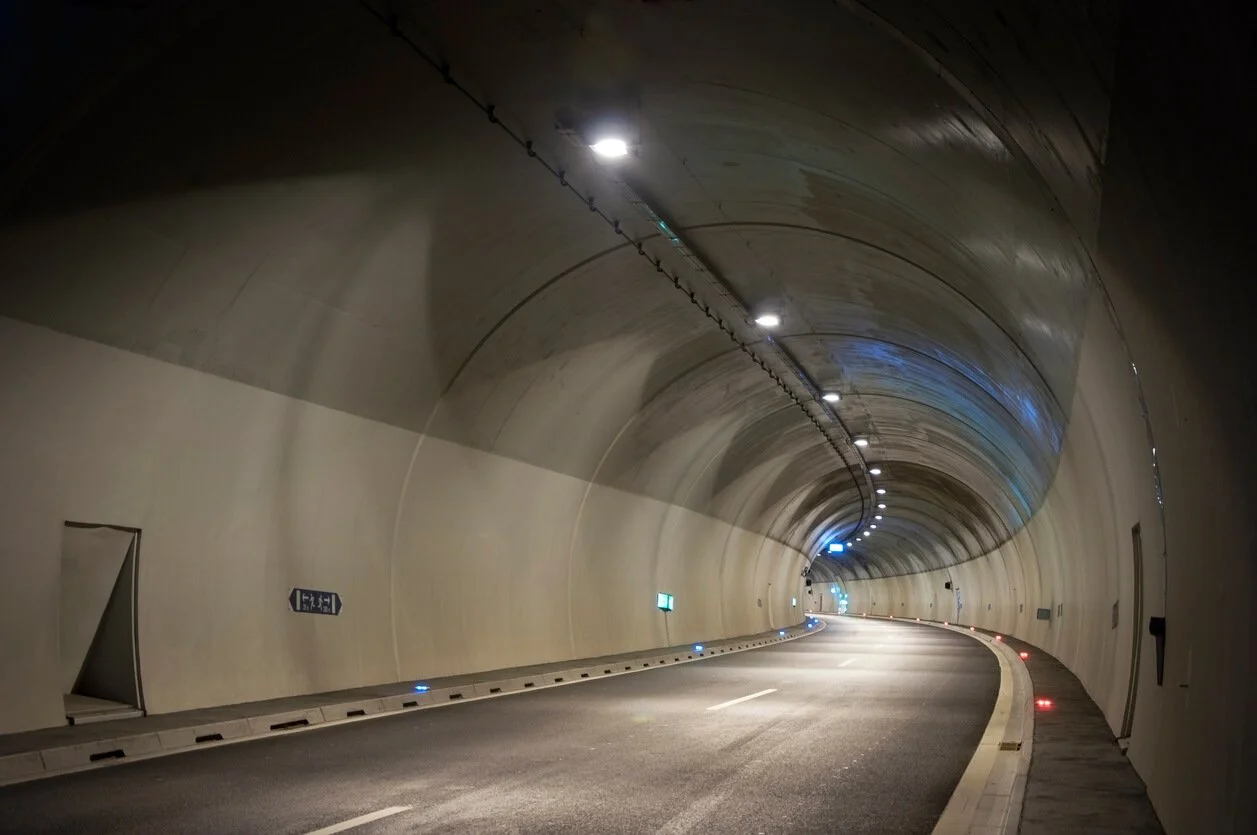
Tunnel Ventilation
Ensure efficient airflow and ventilation in mining, transport, and construction tunnels.
-
![Industrial-Fan-Systems-Water-Treatment-HVAC-and-Ventilation-Solutions]()
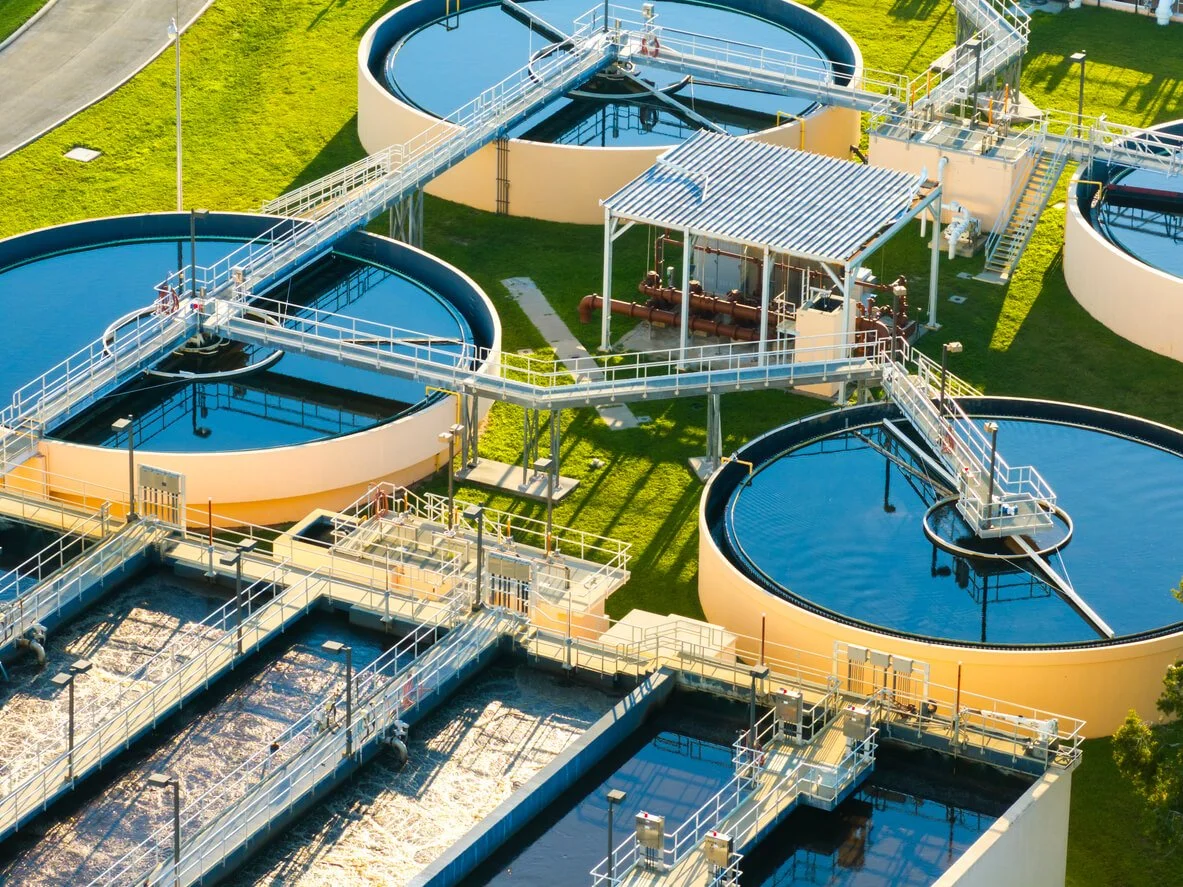
Water Treatment
Ensure ventilation and airflow, odour control, corrosion resistance, and regulatory compliance.

Why Choose Industrial Fan Systems?
Industrial Fan Systems combines proven aerodynamic design with Australian‑based engineering expertise. Our airfoil centrifugal fans are selected, tested, and supported to perform reliably in real‑world industrial environments.
ISO 5801 tested performance data
ISO13347-3:2004 for sound
Engineered for Australian and New Zealand conditions
Application‑specific fan selection support
On-site support
Frequently Asked Questions
-
CFD modeling is ideal for projects involving complex airflow, heat transfer, or safety-critical environments. This includes industrial ventilation systems, tunnel ventilation, manufacturing processes, hazardous area ventilation, HVAC systems, and facilities requiring regulatory compliance validation.
-
Yes. CFD modeling is highly effective for existing facilities. It helps identify airflow bottlenecks, thermal issues, and inefficiencies, allowing systems to be upgraded or optimized without costly trial-and-error modifications.
-
When accurate input data and validated models are used, CFD simulations provide highly reliable predictions. Results are based on proven physical equations and are widely used in engineering design, safety analysis, and regulatory studies.
-
Typically required inputs include layout drawings, system geometry, operating conditions, airflow requirements, temperature data, and performance objectives. Our engineering team assists in defining and validating all necessary inputs.
-
Yes. CFD modeling identifies inefficiencies such as excessive pressure losses, uneven airflow, and over-ventilation. Optimizing these factors can significantly reduce fan power requirements and long-term energy costs.
-
Absolutely. CFD modeling is widely used to analyze airflow, gas dispersion, smoke movement, and emergency ventilation performance in hazardous environments, supporting ATEX, IECEx, and safety compliance requirements.
-
Project timelines vary based on complexity, but most CFD studies are completed within a few weeks. More complex simulations involving multiple scenarios or large facilities may require additional time.
-
Yes. CFD modeling is commonly used to verify fan sizing, placement, and performance under real operating conditions, reducing the risk of underperforming or oversized systems.
-
Yes. Our deliverables include clear visualizations, airflow and temperature plots, and detailed engineering reports that are easy to interpret for engineers, consultants, and project stakeholders.
-
By identifying design flaws, safety risks, and performance issues before installation, CFD modeling minimizes costly rework, downtime, and compliance issues, ensuring systems perform as intended from day one.